

Quick Answer
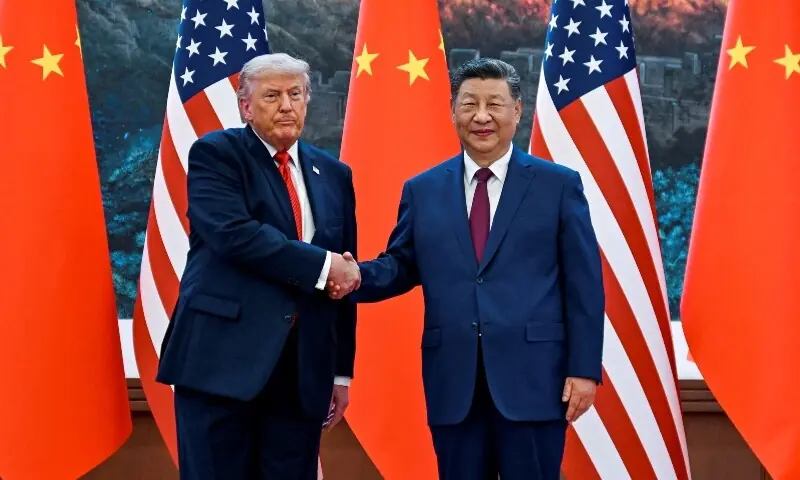
US-China talks resumed this week in New York, with Treasury Secretary Scott Bessent, Chinese Vice Premier He Lifeng, and US Trade Representative Jamieson Greer working through AI guardrails, rare-earth mineral flows, and a tariff truce set to expire on November 10. The meetings are meant to lay groundwork for a high-stakes summit between President Trump and President Xi Jinping at the White House on September 24. Officials from both sides have described the talks as close but not yet finalized, with unresolved gaps still on the table heading into the leaders’ meeting.
Introduction
The latest round of US-China talks landed at a tense moment, with a tariff truce clock ticking down and both governments signaling they want a deal before their presidents sit down face to face. This piece breaks down what’s actually being negotiated, why it matters, and where things could realistically go from here.
What Happened in the Latest Round of US-China Talks?
Bessent and He Lifeng opened marathon talks at JP Morgan Chase’s Manhattan headquarters, working through three main issues before the Trump-Xi summit later in the week.
Who Was in the Room
The New York session included Treasury Secretary Scott Bessent, Chinese Vice Premier He Lifeng, and US Trade Representative Jamieson Greer, alongside a Chinese business delegation that traveled with He for parallel economic discussions.
The Timing Pressure
With the existing tariff truce due to expire November 10 and Xi Jinping set to arrive in Washington just days later, both sides had a hard deadline pushing them to narrow their differences quickly.
Why Is the Tariff Truce Such a Big Deal?
The tariff truce has kept a fragile trade peace in place since it was reached in Busan, South Korea, capping a bruising period of escalating tariffs between the two economies.
What the Truce Covers
The current arrangement includes reduced tariffs on non-strategic goods, alongside Chinese commitments to boost US agricultural purchases and buy over 200 Boeing aircraft, carried over from the two leaders’ earlier meeting in Beijing.US-China Talks
What Happens If It Expires Without a Deal
If November 10 arrives without an extension or new agreement, both sides risk sliding back toward the kind of triple-digit reciprocal tariffs that rattled global supply chains during the last major trade war escalation.
Why Do Rare Earth Minerals Keep Coming Up in US-China Talks?
Rare-earth magnets and critical minerals have become one of the most persistent sticking points in every recent round of US-China negotiations, and this week was no exception.
The US Position
US officials have repeatedly said the current flow of Chinese rare-earth exports isn’t sufficient for American manufacturing and defense supply chains, pushing for firmer commitments from Beijing.
Why China Holds Leverage Here
China controls a dominant share of global rare-earth processing capacity, giving it significant negotiating leverage on an issue the US considers a national security priority, not just an economic one.
What Role Does AI Play in These Negotiations?
AI has emerged as a newer, higher-stakes topic in US-China talks, following reports of a security breach that pushed both governments to discuss formal guardrails.US-China Talks
Security Concerns Driving the Conversation
The push for AI guardrails follows reported security incidents that raised concerns on the US side about how AI-related technology and data could be exposed or misused.
Balancing Competition and Cooperation
Both governments are trying to negotiate limits without slowing their own competitive AI development, which makes this one of the more delicate parts of the broader discussion.
Is a Deal Likely Before the Trump-Xi Summit?
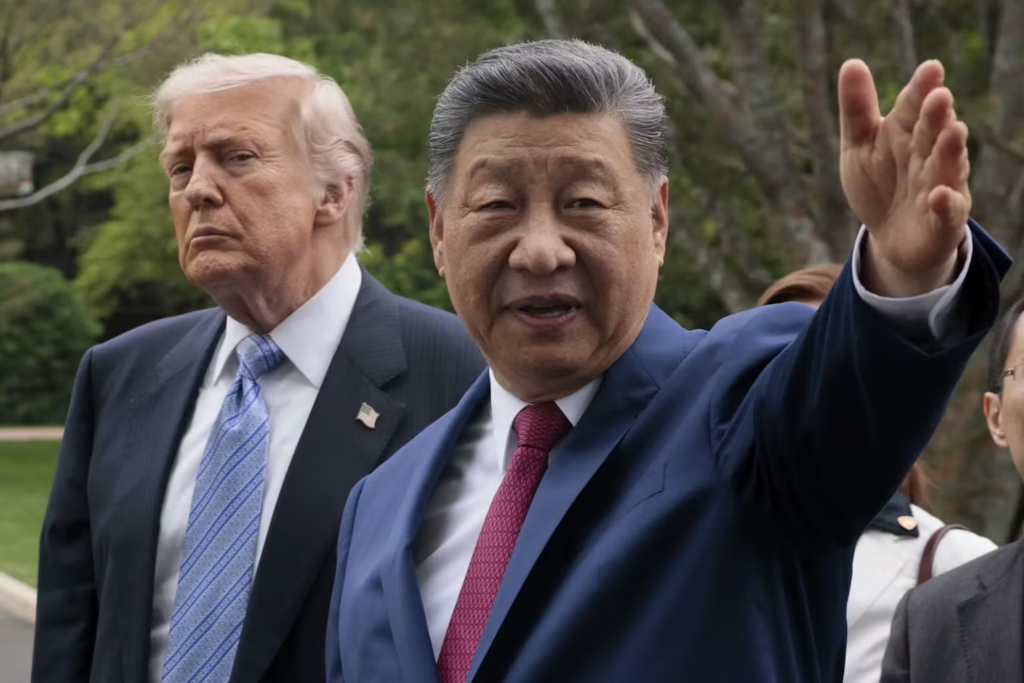
Officials on both sides have described the talks as close to an agreement but not yet finalized, which leaves real uncertainty heading into the summit itself.
Signs of Progress
Reports from the New York meetings suggest both sides have narrowed gaps significantly compared to earlier rounds held in Madrid and other cities over the past 16 months.
Remaining Sticking Points
Unresolved details on rare-earth commitments and the exact shape of AI guardrails appear to be the main issues left for Trump and Xi to work through directly when they meet.US-China Talks
US-China Trade Truce Timeline
| Milestone | Detail |
|---|---|
| Beijing Meeting | Trump-Xi meeting in May set the framework for tariff cuts and purchase pledges |
| Busan Truce | Reached in November 2025, capping the prior tariff escalation |
| New York Talks | September 2026, pre-summit negotiations on AI, tariffs, and minerals |
| Truce Expiration | Set for November 10, 2026 |
| Trump-Xi Summit | Scheduled for September 24 at the White House |
Frequently Asked Questions
What are the main issues in the current US-China talks?
The talks are focused on renewing the tariff truce set to expire November 10, addressing rare-earth mineral export flows, and negotiating AI guardrails.
Who is leading the US-China negotiations?
Treasury Secretary Scott Besant and US Trade Representative Jamieson Greer are leading talks for the US, with Vice Premier He Lifang representing China.US-China Talks
When is the Trump-Xi summit taking place?
The summit is scheduled for September 24 at the White House, following the pre-summit talks in New York.US-China Talks
Why does the tariff truce expiration date matter?
If it expires without renewal, tariffs could snap back toward the higher levels seen during the previous trade war escalation, disrupting trade flows again.US-China Talks
What are rare-earth magnets and why do they matter in these talks?
They’re critical materials used in manufacturing and defense applications, and China’s dominant control over processing gives it significant leverage in negotiations.
What sparked the AI guardrails discussion?
Reports of a security breach involving AI-related technology pushed both governments to prioritize formal guardrails as part of the broader talks.
Has a final deal been reached yet?
As of the New York talks, officials described the sides as close but not finalized, with the summit meant to help close remaining gaps.
What happened at the earlier Beijing meeting between Trump and Xi?
That meeting in May set the framework for tariff cuts on non-strategic goods and Chinese commitments to purchase US agricultural products and Boeing aircraft.
How long have these negotiations been ongoing?
Officials have held a series of meetings in cities across Europe and Asia over roughly the past 16 months to work toward the current framework.
What happens after the Trump-Xi summit regardless of outcome?
Given the pattern of ongoing negotiations, further rounds of talks are likely regardless of what’s agreed at the summit, especially on longer-term issues like rare earths and AI.
Conclusion
US-China talks are entering a critical stretch, with a tariff truce deadline, unresolved rare-earth commitments, and a new AI guardrails discussion all converging just days before Trump and Xi meet face to face. Whether the two sides land a finalized agreement or simply buy more time will shape trade and tech policy between the world’s two largest economies well beyond this week.
- Why People Are Searching Zerohedge .com in 2026
- US-China Talks: 5 Shocking Things Before the Trump-Xi Summit
- Emerging Africa Halal Fund: What It Is and How It Works
- Emergent Fund: A Complete Guide to Saving the Right Amount
- TikTok Shop Affiliate Contract: The Complete 7-Point Guide