

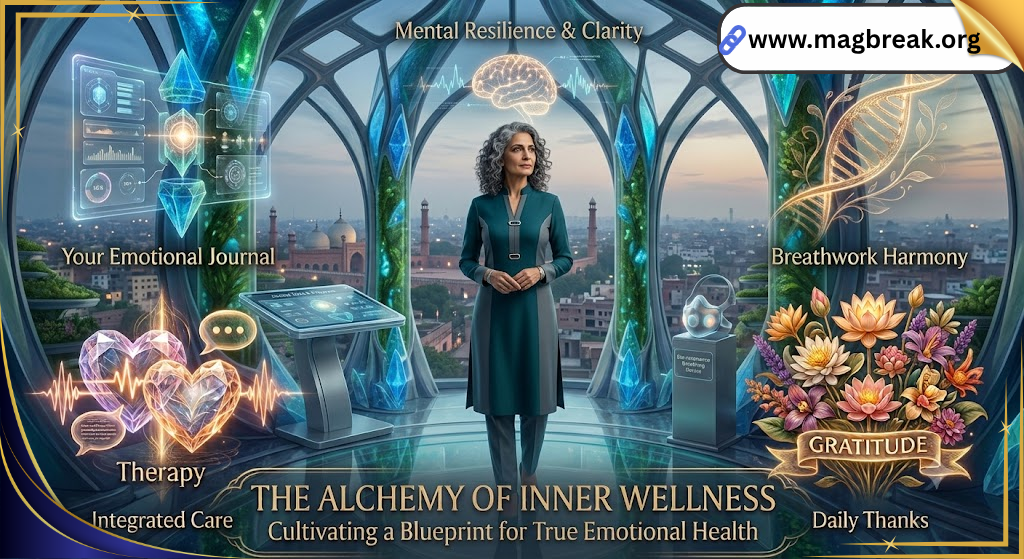
Quick Answer: Emotional fitness is the practice of recognizing emotional signals early and responding with structured techniques like mindfulness, journaling, and breathwork, rather than suppressing stress until it builds up. It is trending in 2026 as people move from reactive mental health care toward proactive daily emotional training. Experts describe it as treating emotional resilience the same way athletes train physical strength.
What Is Emotional Fitness?
Emotional fitness means actively training your ability to notice, understand, and regulate your emotions before they overwhelm you. It is not about ignoring stress or forcing positivity.
Instead, it treats emotional resilience as a skill you can build over time, much like physical fitness. Small daily habits gradually strengthen how well you handle pressure.
The wellness team at Mag Break has been following this shift closely, since emotional fitness represents one of the clearest evolutions in how people approach mental wellbeing this year.
Why Is Emotional Fitness Trending In 2026?
This trend did not appear overnight. It reflects years of growing awareness around mental health, combined with a desire for more practical, everyday tools.
The Shift From Crisis Care To Daily Practice
For a long time, mental health support only kicked in once someone reached a breaking point. Emotional fitness flips that model by encouraging small, consistent check-ins before stress escalates.
Clinicians now describe this as low friction prevention, meaning tools people can use daily rather than waiting for a crisis to seek help.
Rising Mental Health Awareness
Surveys show mental health has become just as important as physical health for the majority of adults. That shift in priority naturally pushed people to look for structured, trainable approaches rather than vague advice.
Google search data on emotional wellbeing terms has climbed steadily, signaling this is a lasting behavioral shift rather than a passing trend.
What Are The Benefits Of Emotional Fitness?
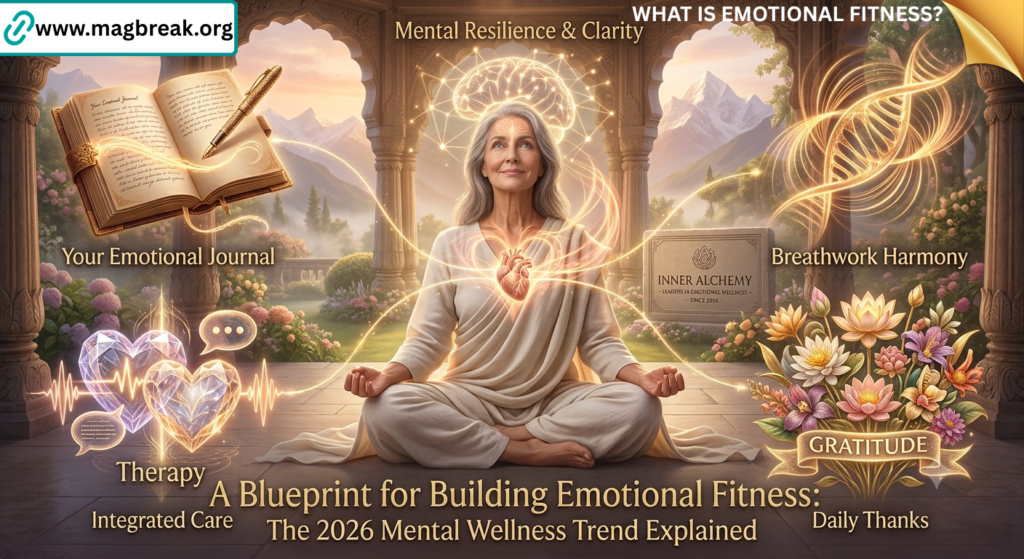
Building emotional fitness offers benefits that extend well beyond simply feeling calmer in the moment.
Reduced Anxiety And Burnout
Recognizing emotional strain early allows you to respond before it spirals into anxiety or exhaustion. Research on mindfulness based techniques shows measurable improvements in emotional regulation over time.
Better Physical Health
Chronic stress affects more than your mood. Studies link consistent emotional regulation practices to reduce inflammation and lower cardiovascular risk.
Stronger Relationships
When you can name and manage your own emotions clearly, communication with others naturally improves. This reduces the chance of reacting impulsively during conflict.
How Do You Build Emotional Fitness?
Emotional fitness is built through small, repeatable habits rather than one big lifestyle overhaul.
Mindfulness And Awareness
Simple daily check-ins, even just sixty seconds of noticing how you feel, can help you catch stress before it builds. This awareness is the foundation of every other technique.
Journaling
Writing down thoughts and emotions helps process them instead of letting them sit unresolved. Many people find just five minutes in the morning or evening makes a noticeable difference.
Breathwork
Structured breathing exercises activate your body’s relaxation response quickly. Even a few slow, deep breaths can lower stress in the moment.
What is emotional fitness and how is it different from mental health?
Emotional fitness is a proactive, trainable practice focused on daily habits, while mental health refers more broadly to overall psychological wellbeing, including clinical conditions.
How can I start building emotional fitness daily?
Begin with one small habit, such as naming your emotions each day or practicing a short breathing exercise during stressful moments.
What are simple emotional fitness exercises for beginners?
Journaling for a few minutes, practicing mindful breathing, and doing brief daily emotional check ins are all beginner friendly starting points.
Can emotional fitness help prevent burnout and anxiety?
Yes, recognizing emotional strain early through these practices can reduce the risk of burnout and anxiety building up over time.
How long does it take to see benefits from emotional fitness practices?
Many people notice small improvements within a few weeks of consistent practice, though lasting change typically builds over several months.
Is emotional fitness backed by scientific research?
Yes, core techniques like mindfulness and structured breathing are supported by peer reviewed studies on stress reduction and emotional regulation.
- Why People Are Searching Zerohedge .com in 2026
- US-China Talks: 5 Shocking Things Before the Trump-Xi Summit
- Emerging Africa Halal Fund: What It Is and How It Works
- Emergent Fund: A Complete Guide to Saving the Right Amount
- TikTok Shop Affiliate Contract: The Complete 7-Point Guide