

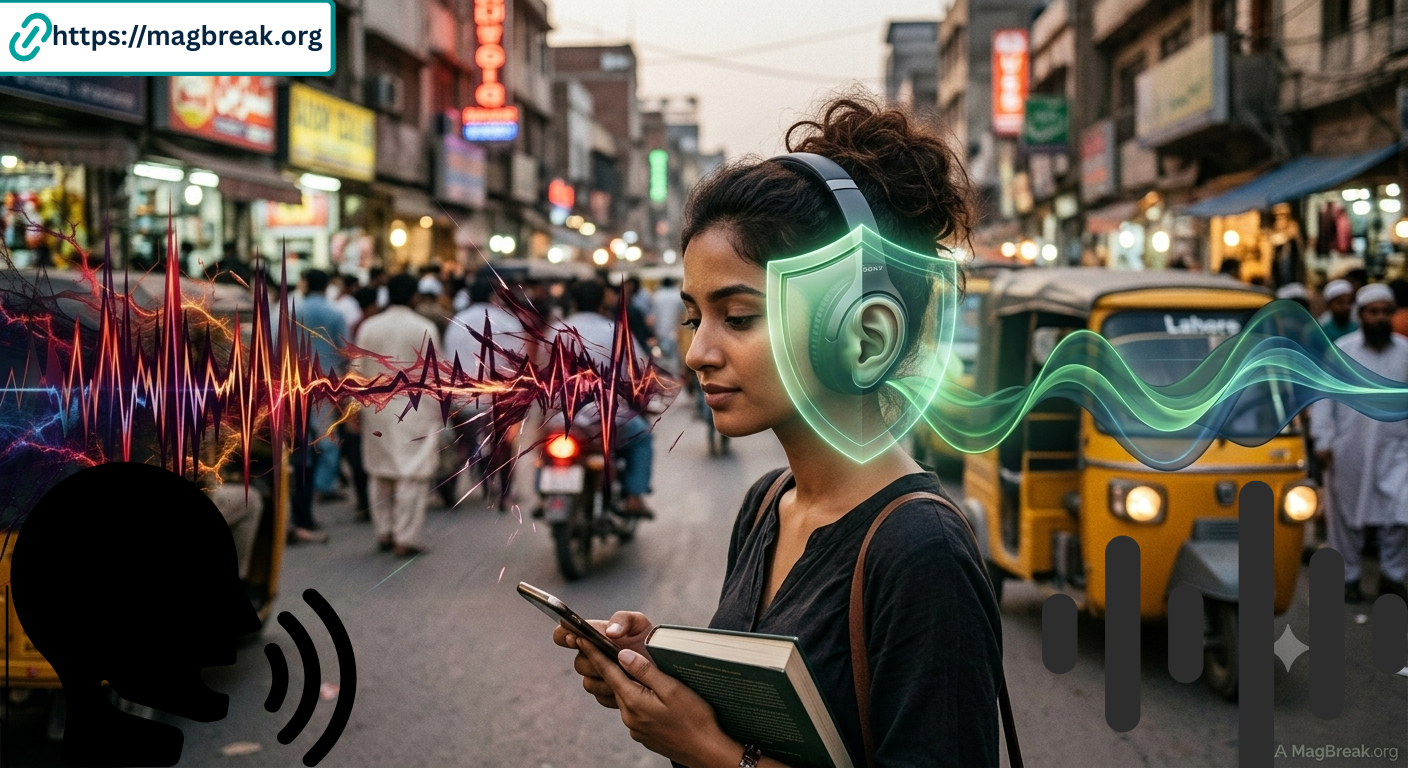
Quick Answer: Yes, noise cancelling headphones can help protect hearing, mainly by reducing the need to raise volume in noisy environments like flights, offices, or public transport. They work by actively canceling low frequency background noise, which lowers overall listening volume and reduces long term ear strain. However, they do not fully eliminate hearing risks from prolonged high volume listening.
What Does Noise Cancelling Actually Do?
Noise cancelling technology works by using built in microphones to detect surrounding sound and generate an opposite sound wave that cancels it out.
This process mainly targets low frequency, constant noise, such as engine hums, air conditioning, or traffic sounds. It does not block sudden sharp noises as effectively, since those are harder to predict and cancel in real time.
The tech team at Mag Break has looked closely at this topic, since hearing health questions come up often alongside headphone buying guides.
How Can Noise Cancelling Headphones Help Protect Hearing?
The connection between noise cancelling and hearing protection comes down to reduced listening volume, not the cancellation itself.
Lower Volume In Noisy Environments
Without noise cancellation, people often raise their headphone volume to overpower background noise. Since noise cancelling reduces that background noise, users naturally listen at safer, lower volumes.
Reduced Listening Fatigue
Constantly straining to hear audio over background noise causes fatigue, which can lead to unconsciously pushing volume even higher over time. Noise cancelling reduces this strain significantly.
Do Noise Cancelling Headphones Have Any Limitations?2026
While the benefits are real, it is important to understand what this technology cannot do for hearing protection.
They Do Not Block All Sound Types
Noise cancelling is most effective against steady, low frequency sounds. Sudden loud noises, like a dog barking or a door slamming, are not fully cancelled and can still reach your ears at full volume.
They Do Not Prevent Volume Related Damage
If someone still listens to music or calls at high volume, even with active noise cancellation on, the risk of hearing damage remains the same as with regular headphones.
What Is A Safe Listening Volume With Headphones?
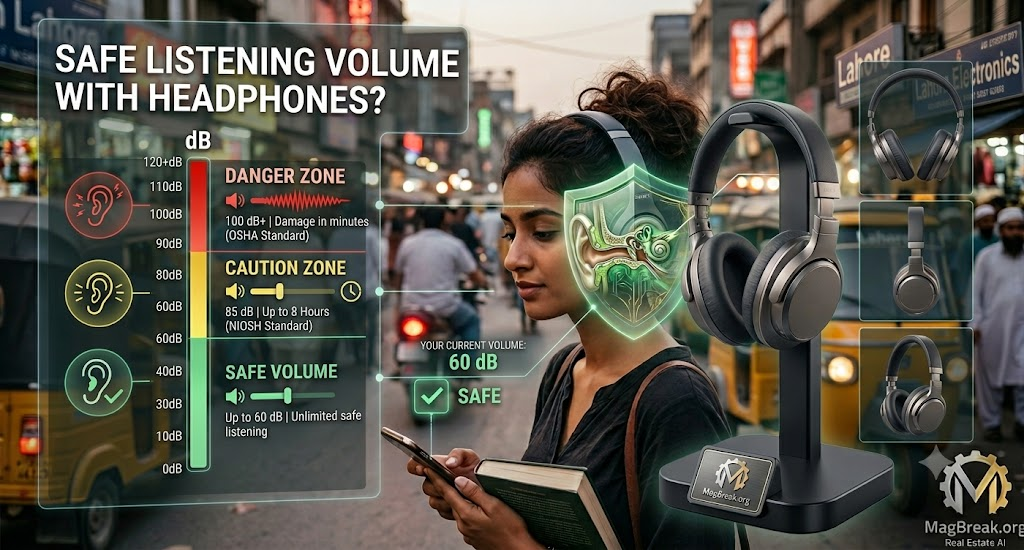
Understanding safe volume levels matters more than the type of headphone technology being used.
Hearing health experts generally recommend keeping headphone volume around 60 percent of maximum and limiting continuous listening sessions to about 60 minutes at a time. This guideline is often referred to as the 60 60 rule, and it applies whether or not noise cancellation is active.
Are Noise Cancelling Headphones Better Than Regular Headphones For Hearing?
In most everyday situations, noise cancelling headphones offer a meaningful advantage over standard headphones.
Since they reduce the temptation to raise volume in loud environments like airplanes, gyms, or busy streets, they indirectly support healthier listening habits. Regular headphones without this feature often push users toward dangerously high volumes just to hear clearly over background noise.
The team at Mag Break generally recommends noise cancelling headphones for anyone who frequently listens to audio in loud public settings, purely from a hearing health perspective.
Can Noise Cancelling Headphones Cause Any Ear Related Issues?
A small number of users report discomfort, though this is different from actual hearing damage.
Some people experience mild ear pressure or a feeling of fullness when active noise cancellation is turned on, especially during long listening sessions. This sensation is generally harmless and temporary, though taking short breaks can help if it becomes uncomfortable.
How Should You Use Noise Cancelling Headphones Safely?
Getting the hearing protection benefits of noise cancelling headphones comes down to a few simple habits.
Keep your volume at a moderate level even with noise cancellation active, rather than assuming the feature alone protects your ears. Take listening breaks during long sessions, and consider switching to transparency mode occasionally in safer, quieter environments to give your ears a natural rest.
Frequently Asked Questions
Here are quick answers to the most common questions about noise cancelling headphones and hearing health.
Do noise cancelling headphones protect hearing completely? No, they reduce the need for high volume in noisy environments, but they do not eliminate all hearing risks from loud or prolonged listening.
What sounds do noise cancelling headphones block best?
They are most effective against steady, low frequency background noise, such as engine hums or air conditioning, rather than sudden sharp sounds.
What is a safe volume level when using headphones?
Most experts recommend keeping volume around 60 percent of maximum and limiting continuous sessions to about 60 minutes.
Can noise cancelling headphones cause ear discomfort?
Some users report mild ear pressure during long sessions, though this is usually temporary and not a sign of hearing damage.
Are noise cancelling headphones safer than regular headphones?
In loud environments, yes, since they reduce the temptation to raise volume dangerously high just to hear clearly.
Should I still take breaks while using noise cancelling headphones?
Yes, taking regular listening breaks and keeping volume moderate remains important, even with noise cancellation active.
- Why People Are Searching Zerohedge .com in 2026
- US-China Talks: 5 Shocking Things Before the Trump-Xi Summit
- Emerging Africa Halal Fund: What It Is and How It Works
- Emergent Fund: A Complete Guide to Saving the Right Amount
- TikTok Shop Affiliate Contract: The Complete 7-Point Guide